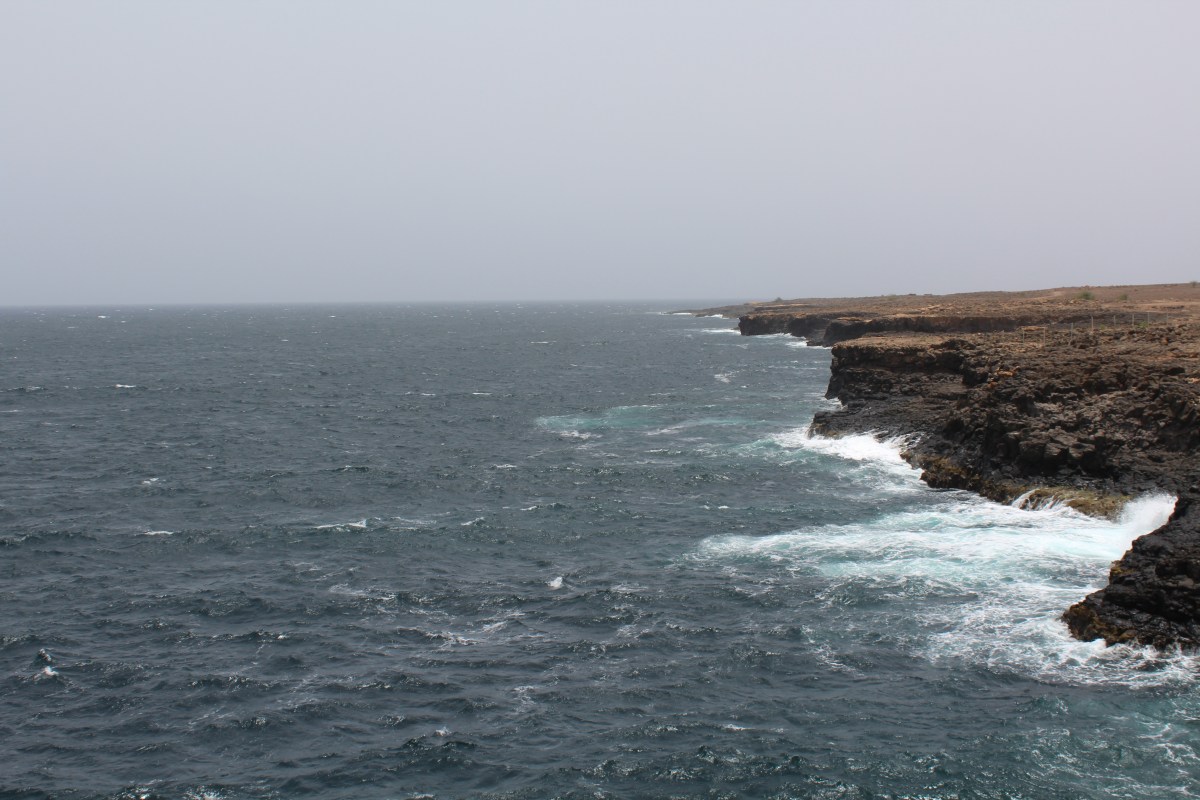
Kriolu – the oldest creole language in the world
This post is inspired by my lovely vacation in Cabo Verde (or Cape Verde). I originally planned to go to Portugal, but due to some last-minute events, I had to change the destination, and quite unexpectedly I ended up all the way in the homeland of Cesaria Evora. The moment I got to the hotel…


Do Eskimos really have 400 words for snow?
Fact or myth? The claim that Eskimos have an unusually large number of words for “snow” was first loosely attributed to the work of anthropologist Franz Boas. It was then promoted by Benjamin Lee Whorf and became a flagship example to support his controversial linguistic-relativity hypothesis (also known as “Whorfianism”). This hypothesis posits that a…

Not so obvious benefits of multilingualism
I couldn’t agree more. Being able to compare two or more language systems allows for a wider perspective on the workings of language: ✔How are particular languages built? ✔How does grammar work and how does it differ across languages? ✔What are the origins of words? ✔What works better or worse in particular languages, in terms…

How does globalisation impact language dynamics?
The world today is a global village. Globalisation as a concept and phenomenon has become part of our life. As a term, globalisation has settled in different languages across the world and become a universal word for: the speedup of movements and exchanges (of human beings, goods, and services, capital, technologies or cultural practices) all…
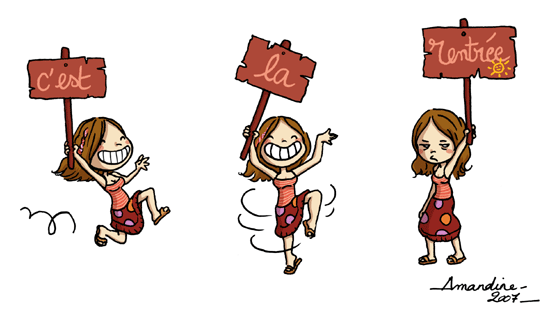
C’est la rentrée!
In Luxembourg the first day of school is the 15th of September and, due to a big influence of the francophone culture over this small country, it is called “la rentrée”. The beginning of the school year is a big deal in the French-speaking countries, much bigger than the end of the school year, to…
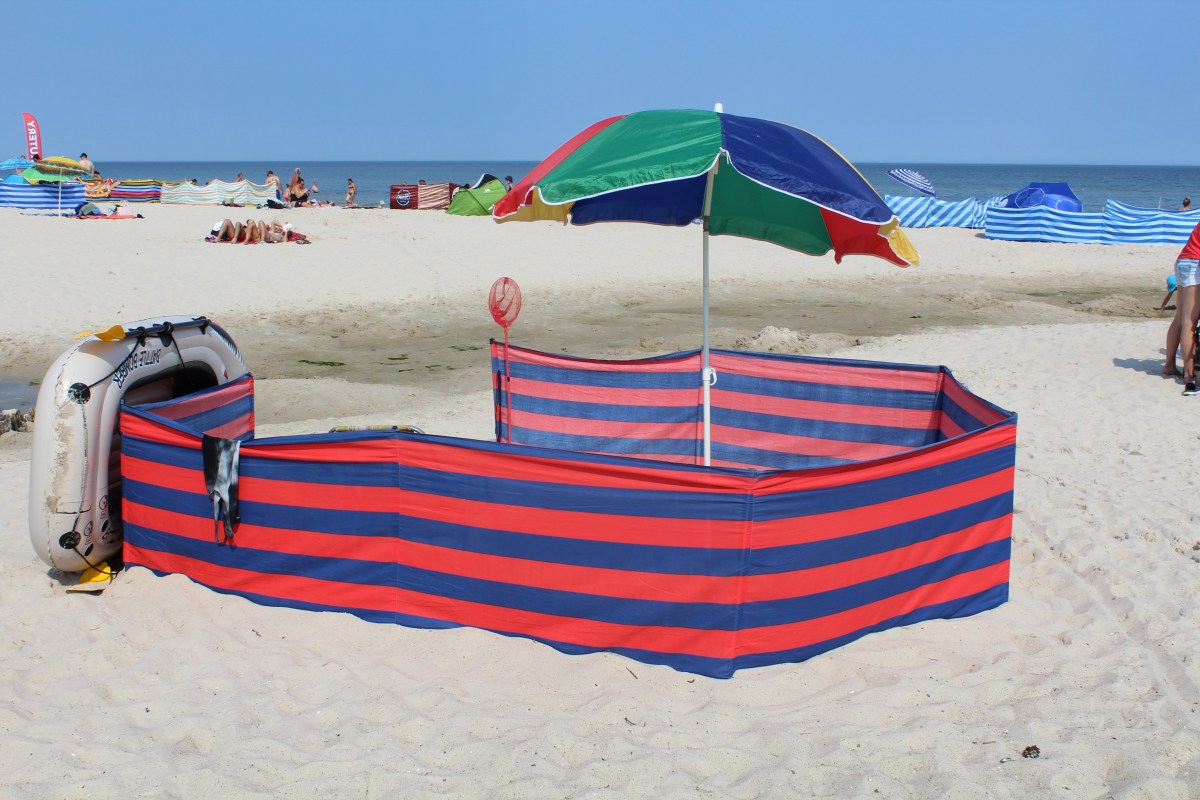
“PARAWANING” – Poland’s national summer sport
Judging by the aura outside it seems like the summer has already come to an end. My latest vacation on the Baltic sea is already part of history. I thought I would allow myself a moment of nostalgia by talking about something typically Polish when it comes to spending time on the beach. The peculiarity…

“Don’t call me Murzyn” – about racial discrimination in Poland and the effect of the grammatical gender on cognition
The ripple effect of the recent “Black Lives Matters” protests, sparked by the killing of George Floyd, has spread beyond the borders of the United States. In Poland, it resulted in starting a public campaign “Don’t call me Murzyn”. I first saw the hashtag #DontCallMeMurzyn in my Facebook feed and I immediately thought: “What? Why?…
Moje “trzy grosze” na temat relatywizmu językowego
Czy język, w którym wzrastamy determinuje to, w jaki sposób postrzegamy otaczającą nas rzeczywistość? To pytanie nawiązuje do teorii relatywizmu językowego, na którym opiera sie hipoteza Sapira-Whorfa. Flagowym przykładem w tej dziedzinie jest niewątpliwie dyskusja na temat repertuaru wyrazowego dla rodzajów śniegu w językach eskimoskich. To zagadnienie było obszernie opisywane w literaturze naukowej i nie…
The French “râler” and how others pick on it
I spotted this article in a Luxembourgish daily paper. It is a transcription from an article in the New York Times, in which the French are considered ungrateful to Macron for handling the corona crisis well. For those who do not know, Macron has been heavily criticized by his compatriots. Some of the memes, jokes,…
Language as a proxy for race
It seems like the debate about equality and discrimination has been around forever. Nowadays, even more so due to the tragic story of Georges Floyd. It seems like the postulates of the Black Lives Matter movement have become part of the common knowledge worldwide. And If I were to ask a random person what equality…
The broad Russian soul – Широкая русская душа
This is a very interesting concept that Russians are famous for. Sometimes it is also referred to as загадочная русская душа (the mystical Russian soul). Here are three insightful videos that I recommend to watch in order to grasp the idea behind its meaning. The concept of the Russian душа (duša) is inextricably connected with the term тоска (toska – roughly, melancholy-cum-yearning) and судьба (sud’ba – roughly, fate)…
Kim był Benjamin Whorf i czym zasłynął?
Benjamin Whorf (1897 – 1941) słynie z tego, że jest współtwórcą hipotezy Sapira-Whorfa, inaczej prawa relatywizmu językowego. Hipoteza ta głosi, ze używany język wpływa w mniejszym lub większym stopniu na sposób myślenia i postrzegania świata. Jej dwa główne założenia to determinizm językowy oraz relatywizm językowy. Pierwsze z nich definiuje język jako system znaków wytworzony przez…
Easter in Polish, French, Luxembourgish and English…… Four languages and four different stories.
Easter (EN) –> Happy Easter!Wielkanoc (PL) —> Wesołych Świąt Wielkanocnych!Ouschteren (LU) —> Schéin Ouschetern!les Pâques (FR) —> Joyeuses Pâques! Wielkanoc in Polish Most of Poles celebrating this holiday do not even realize that the very name of this holiday, Wielkanoc, is of pagan origin, that it used to be called “the feast of new life”…
Follow My Blog
Get new content delivered directly to your inbox.
 LANGOLUX