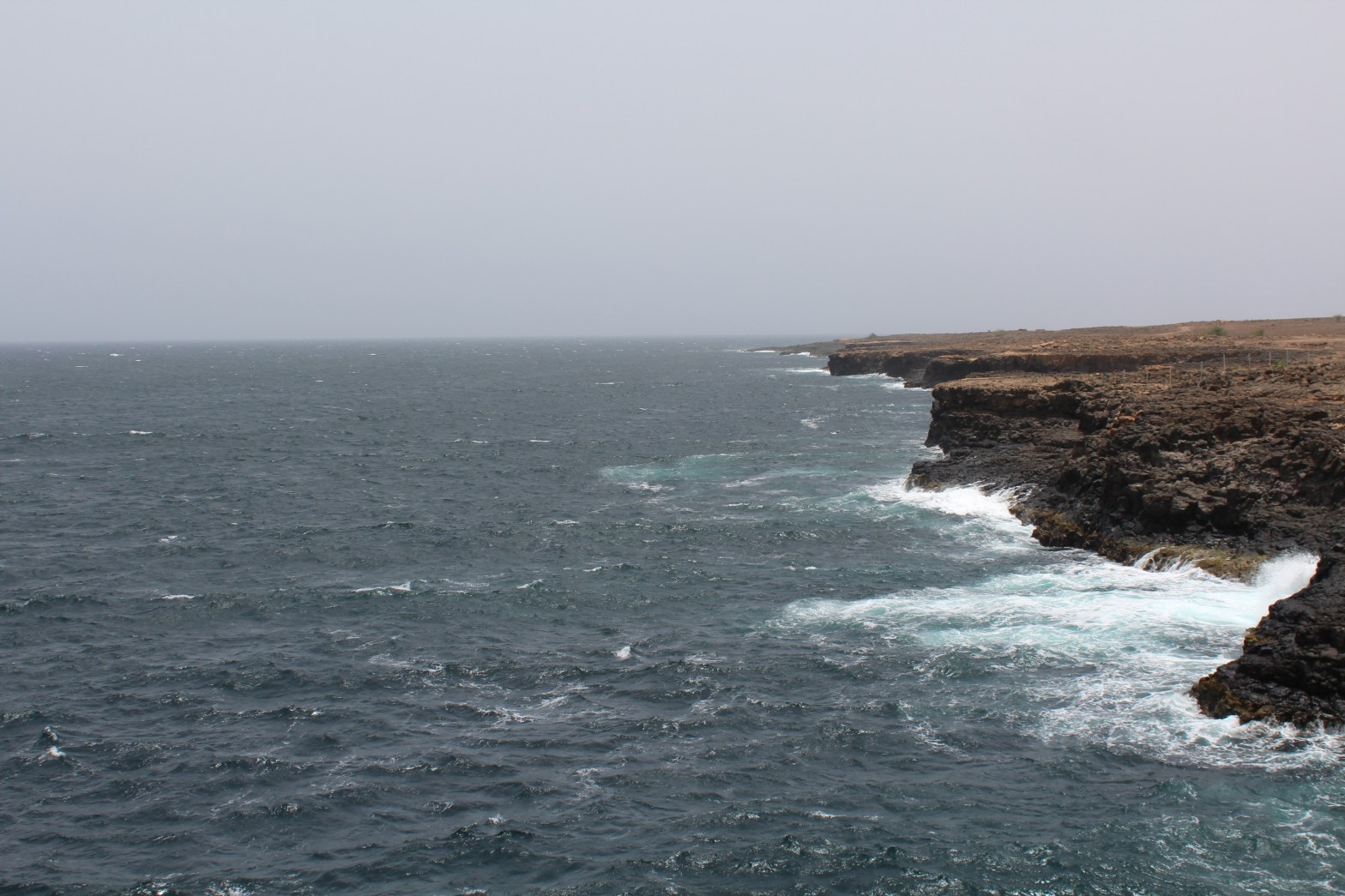
This post is inspired by my lovely vacation in Cabo Verde (or Cape Verde). I originally planned to go to Portugal, but due to some last-minute events, I had to change the destination, and quite unexpectedly I ended up all the way in the homeland of Cesaria Evora.
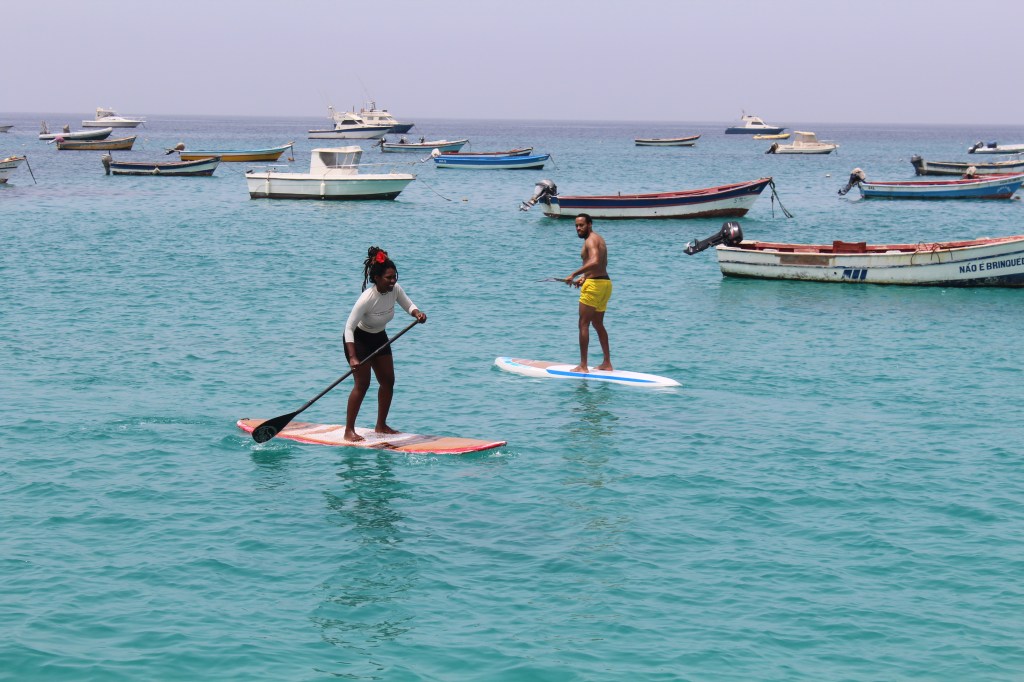
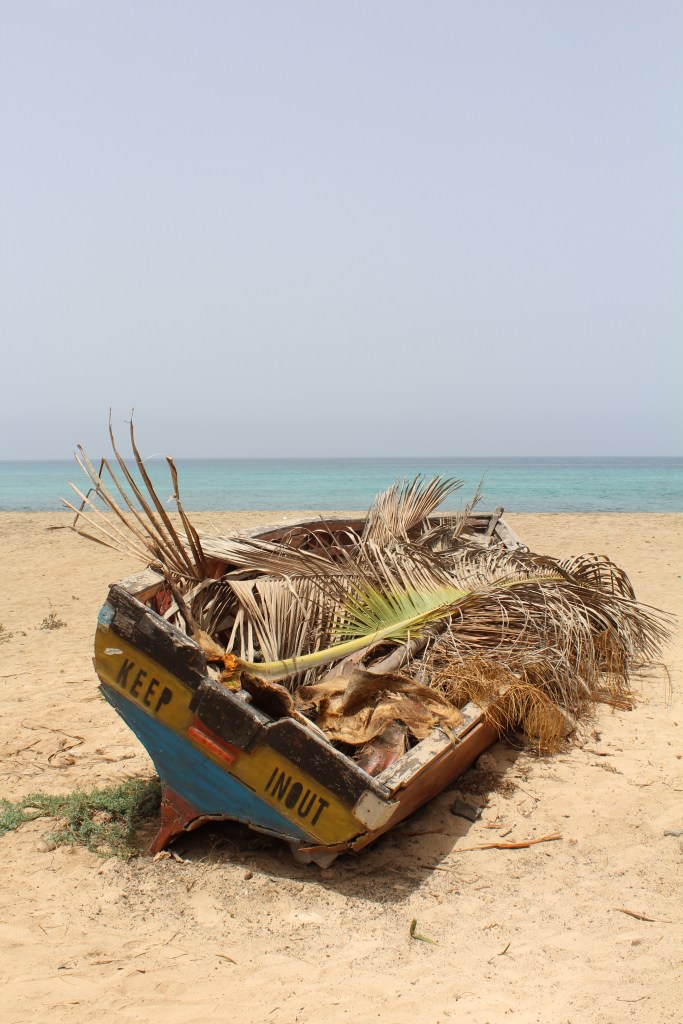
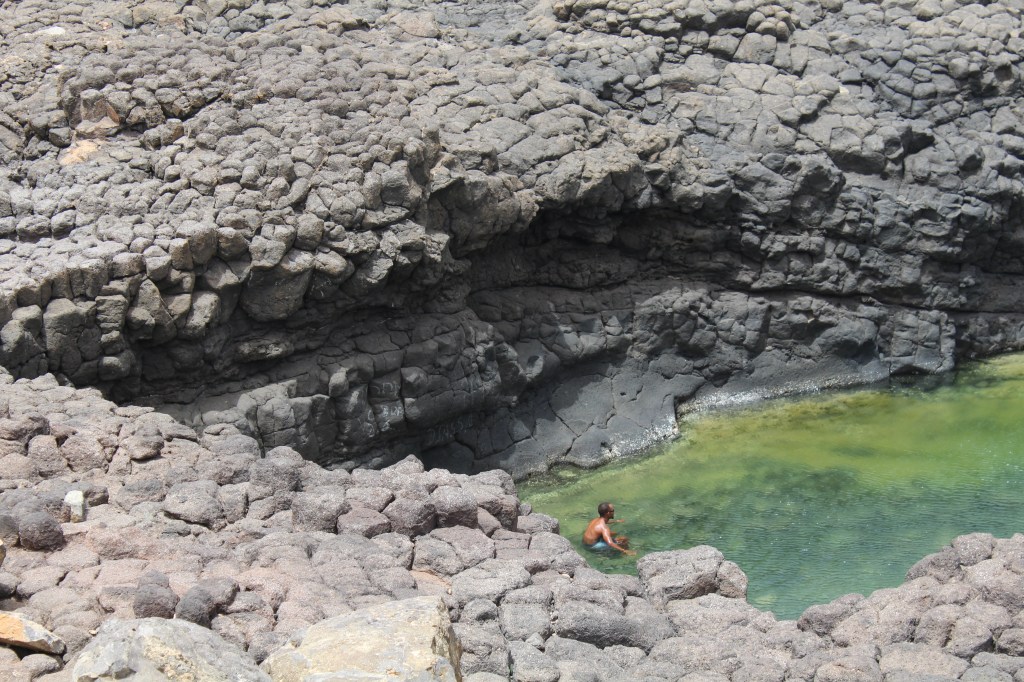
The moment I got to the hotel I knew that it was a great decision. The place was not only beautiful (as you will be able to see in the photos I share here below), but also peaceful and serene. I went there in June, which is off-season, plus the pandemic situation altogether allowed me to enjoy my time in an almost empty hotel and relax on crowd-less beaches.
My stay there was not only relaxing but also very insightful, both culturally and linguistically. Stick till the end of this post if you want to learn why….
As a former Portuguese colony, the official language of Cape Verde is Portuguese. It is the language of school education, administration, and foreign affairs. However, in all day-to-day social interactions, people use Kapuverdianu (or Kriolu, Kriol), which is a Portuguese-based creole language. That is why Portuguese and Kriolu coexist in a state of diglossia. The first foreign language taught at school is French and from what I experienced the local people have a quite decent command of it.
This reminds me a lot of Luxembourg, where literacy is taught in German but casual classroom communication happens in Luxembourgish. The same applies in other walks of life provided that people who meet are native speakers of Luxembourgish, otherwise they switch to French, English, or German. A certain degree of social sensitivity is expected because an automatic switch to German or even worse to French maybe not be welcomed with enthusiasm due to some “burden of history” in the region. The English language, thanks to its growing popularity, is often chosen instead and it seems to be the most neutral means of communication these days.
Just like mainland Portugal, Cape Verde, being a former Portuguese colony has benefited from the same, particularly close relations with Luxembourg. It all started with the royal marriage between the Hereditary Grand Duke William of Luxembourg and Maria Ana of Bragança, daughter of the deposed King Miguel of Portugal (1893). Much later, in 1970 Luxembourg and Portugal signed a bilateral agreement which would allow Luxembourgish companies to recruit Portuguese workers, primarily in the construction industry. The same migration trend was noted in Cape Verde and as a result, a substantial population of Cape Verdean Portuguese ended up in Luxembourg.
Today, there are many initiatives undertaken by Luxembourg to promote development cooperation in Cabo Verde. The Cape Verdean schooling system is generously co-funded by Luxembourg too.
Even though Portuguese is the official language of Cape Verde, being the language of instruction and government, newspapers, television, and radio, the vast majority of the population prefer Kriolu as the main language of communication between each other.
Kriolu is the oldest language of this kind. There may have been creole languages that preceded it, but they have since died out, thus making Kriolu the oldest living creole language. The Cape Verdeans know it and are very proud of it.
A creole language is a type of language – one developed from a pidgin (a simplified means of communication between two or more groups of people who do not share the same language). Put simply, a pidgin is the first-generation version of a language that forms between native speakers of different languages.
A Pidgin becomes a creole once it is passed down to a second generation of speakers who will formalize it and transform it into a robust structure with a fully developed grammar and syntax. A creole is thus a complete language and is acquired by children as their native language.
Generally speaking, pidgins form in the context of a multicultural population, especially if the speakers do not have any other language in common. And such was the situation of Cabo Verde back in the 16th and 17th centuries when the islands were a convenient location in the Atlantic slave trade. African slaves, driven by a simple need to establish minimal but vital communication between each other, drew from their native languages, and Portuguese, especially its lexicon to come up with some sort of common code. Later on, once more and more people were born into the Portuguese-based Pidgin the syntax and grammar became more sophisticated and the language has transformed into a creole.
The Cape Verdean government has undertaken endeavors to officialize Kriolu. In 2005 it issued the first government resolution that puts forth the necessary conditions for the officialization of Creole. This officialization has not yet occurred, mostly because the language is not yet standardized. Again, another point in common with Luxembourgish, which is currently undergoing the same process.
As a result, such languages as Kriolu and Luxembourgish have a particular status. On one hand, they play a crucial role in reinforcing the internal cohesion of the country, and are an important component of the national identity, on the other hand, not being standardized and lacking literary heritage, denominates them as national rather than official languages of their respective countries.
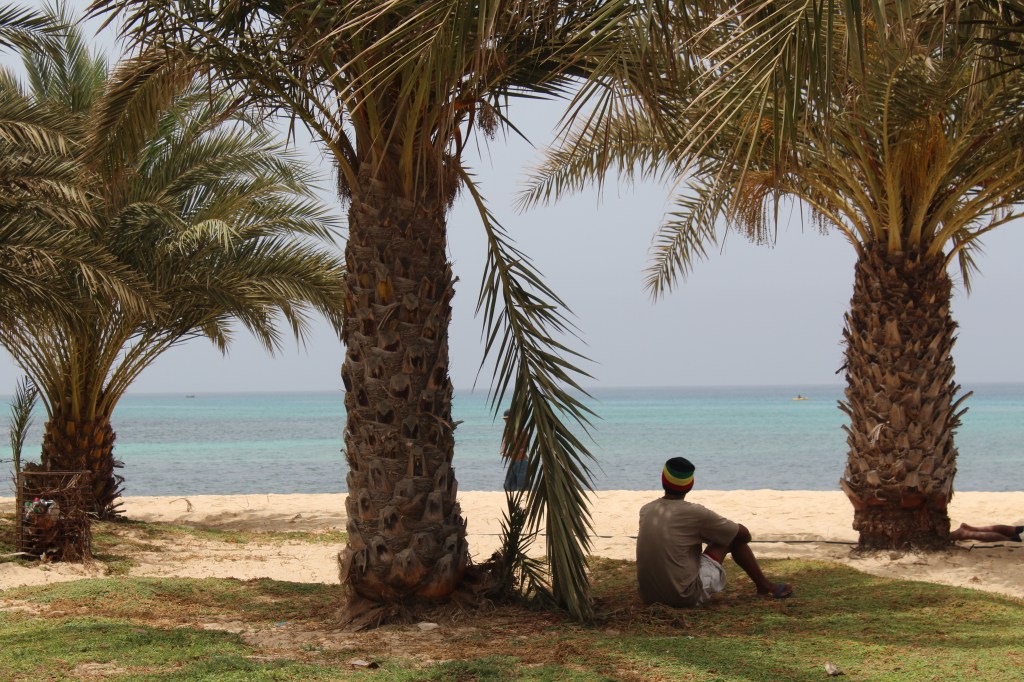
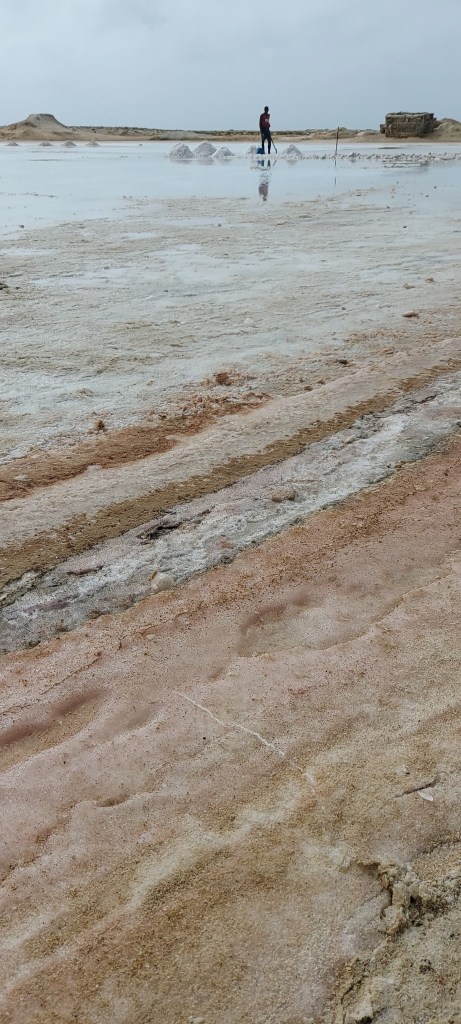
Cape Verde spreads across 10 islands. I went to Sal (meaning “salt”) named after its precious natural mineral. Sal provides salt to all the other islands and is no longer exported abroad.
Cape Verde is a lovely place to be, people are kind and friendly, fish and seafood is delicious, and the beaches…they have it all: fine sand, warm turquoise ocean and the WAVES! I hope I’ll come back here one day…
 LANGOLUX